Allah Hu
God — He, the Absolute. The breath-zikr in which the name of God dissolves into pure presence.
Original
Transliteration
Allāh Hū
Translation
God — He; the Absolute Presence beyond all name and form.
Quick answer
Allah Hu is a Sufi breath-zikr meaning 'God — He.' Chanted with inhale and exhale, it moves remembrance from the tongue to the heart and dissolves the sense of a separate self.
- Tradition
- Sufi Zikr
- Language
- Arabic
- Repetitions
- Continuous with the breath for 10–20 minutes, or 100 breaths.
- Best time
- Late night and the hour before dawn; also whenever the heart feels restless.
- Best for
- Breath meditation, Whirling and sama, Deep stillness
Line by line
Allāh
The divine name that contains all other names.
Hū
He — the pure pronoun of divine presence, spoken on the outgoing breath.
Meaning
Literal
'Allah' is the name of God; 'Hu' is the Arabic pronoun 'He,' used by Sufis to indicate the divine essence beyond any attribute or description.
Spiritual interpretation
Where names describe, 'Hu' only points. Sufis chant Allah Hu until the word thins into breath and the breath into presence — the practitioner no longer naming God from a distance but breathing within the Named. It is the zikr of intimacy and annihilation of the separate self (fana).
What this mantra is used for
How to chant
Inhale silently on 'Allāh', exhale fully on 'Hū', letting the sound leave the chest rather than the throat. Chant softly for 10–20 minutes, then sit in the silence that follows — Sufis consider that silence part of the zikr.
When to chant
Late night and the hour before dawn; also whenever the heart feels restless.
Traditional count: Continuous with the breath for 10–20 minutes, or 100 breaths.
Origin & context
Rooted in the Qur'anic divine names and developed by the classical Sufi orders; central to Chishti and Mevlevi practice and to the Qawwali repertoire of Nusrat Fateh Ali Khan.
Related mantras
La ilaha illallah
There is no god but God — the central Sufi zikr of divine unity and the heart of Islamic remembrance.
Ya Wadud
O Most Loving One — the Sufi zikr of divine love, tenderness, and the opening of the heart.
Ya Hayy Ya Qayyum
O Ever-Living, O Self-Sustaining — the Sufi zikr of vitality, healing, and renewal.
Continue exploring
Share this mantra
Send the sacred sound, meaning, and a link to this page with someone who may benefit.
Frequently asked questions
What does Allah Hu mean?+
'Allah' is the divine name and 'Hu' is the pronoun 'He' — together they point to God's essence beyond description.
Why is 'Hu' chanted on the breath?+
'Hu' is formed almost entirely of breath, so it lets the zikr merge with breathing itself — the practice of remembering God with every inhale and exhale.
Is Allah Hu used in whirling?+
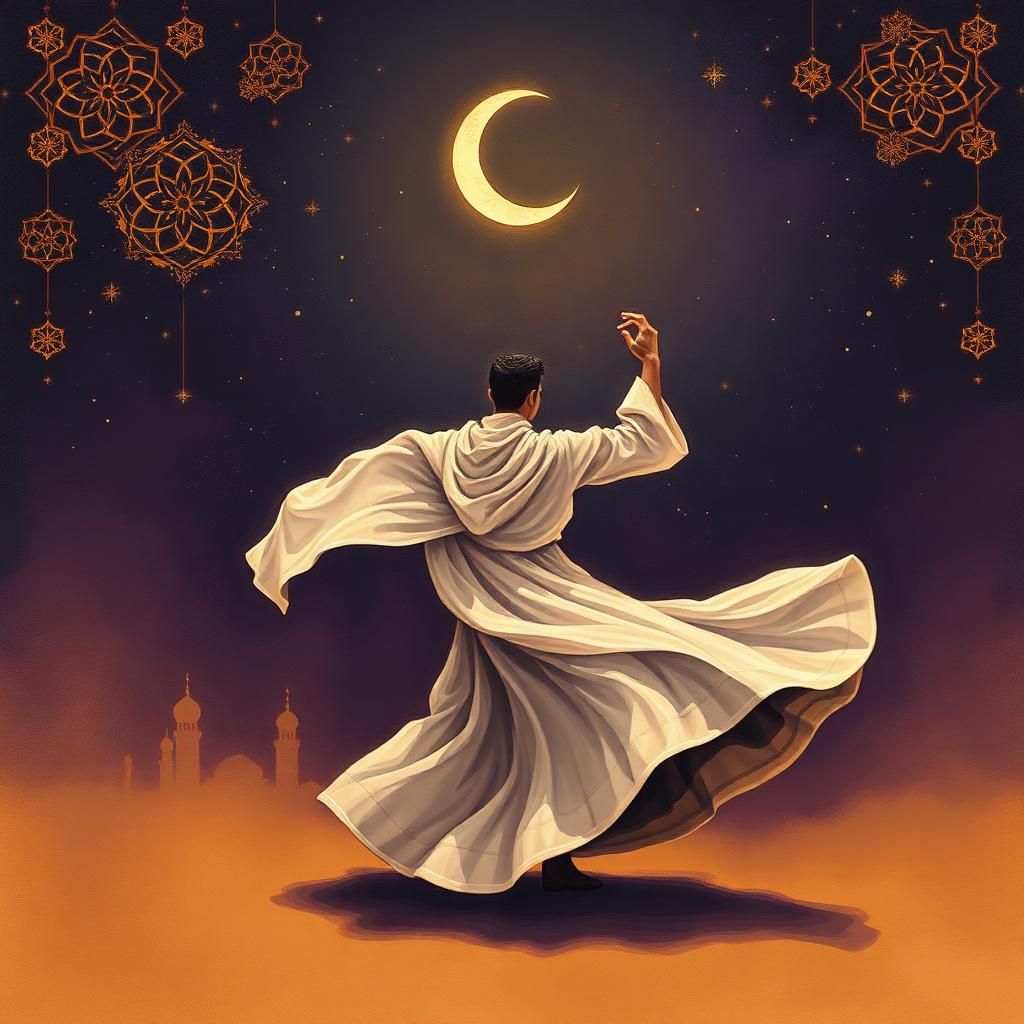
Yes. Mevlevi dervishes turn to zikr including Allah Hu, the breath and the turn together drawing attention inward.